Part Two: Acquisition and Delivery
If Chapter One was about why Tesla would roll out a pre-owned lease program, Chapter Two is about what happens when you actually try to use it.
On paper, the process is simple: Browse inventory, pick a car, put down a deposit, complete the paperwork online. Hurry up and wait.
In practice, it feels a bit like ordering a mystery box.
The first oddity is that Tesla’s pre-owned inventory doesn’t behave like normal inventory. Cars appear and disappear. Lease eligibility is inconsistent. Identical vehicles in the same state may or may not show a lease option. No inspection checklist. No clear indication of where the car physically lives.
You select a VIN and commit before ever seeing it.
This is the exact opposite of how used cars have traditionally been sold, especially “certified" ones. At BMW, Toyota, or Honda, a pre-owned car is inspected, reconditioned to a published standard, photographed in great detail, and usually sitting on a lot waiting for you to walk around it. Tesla flips that model entirely. The car stays in storage until someone claims it. Remember the robot warehouse in I-Robot?
Once I bit the bullet and did the paperwork online, communication entered what I can only describe as a "quiet phase." There was no assigned advisor. No introduction email. No “here’s what happens next.” Just status updates in the app. Eventually, I was notified that the car would be delivered to the Tesla location in High Point, North Carolina. That’s where things got interesting.
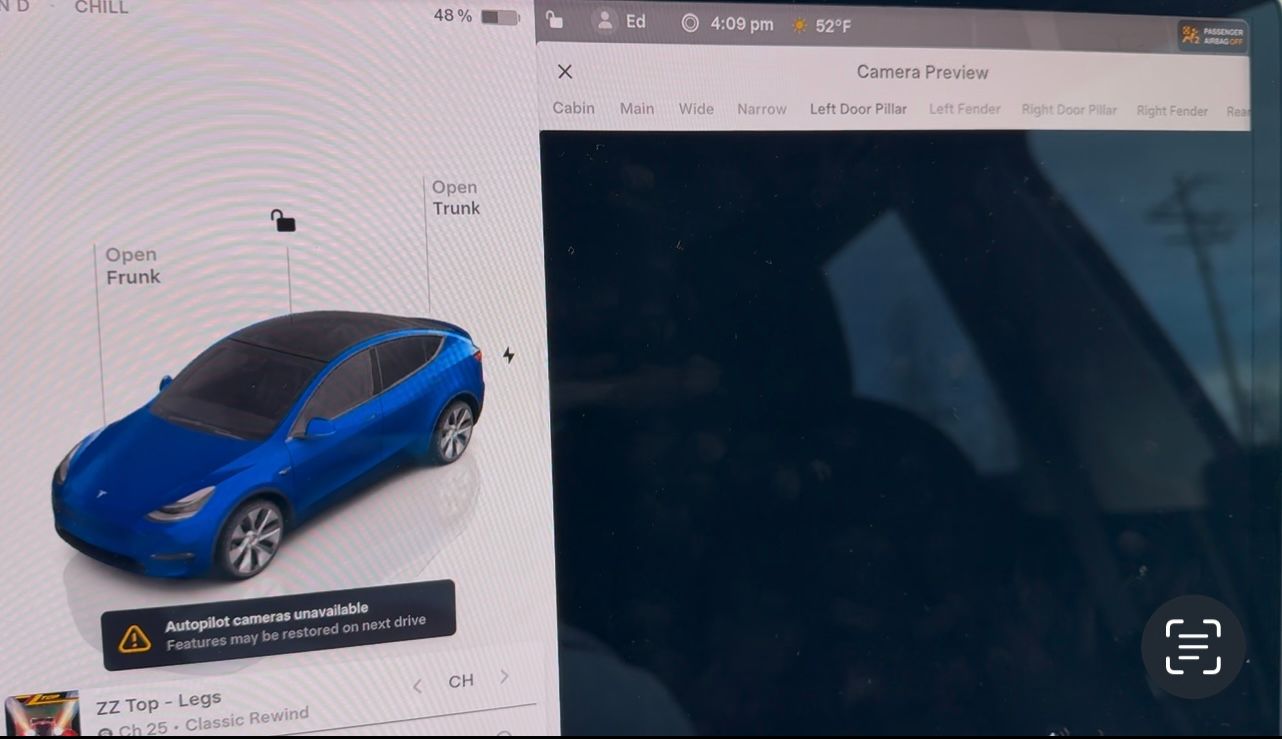
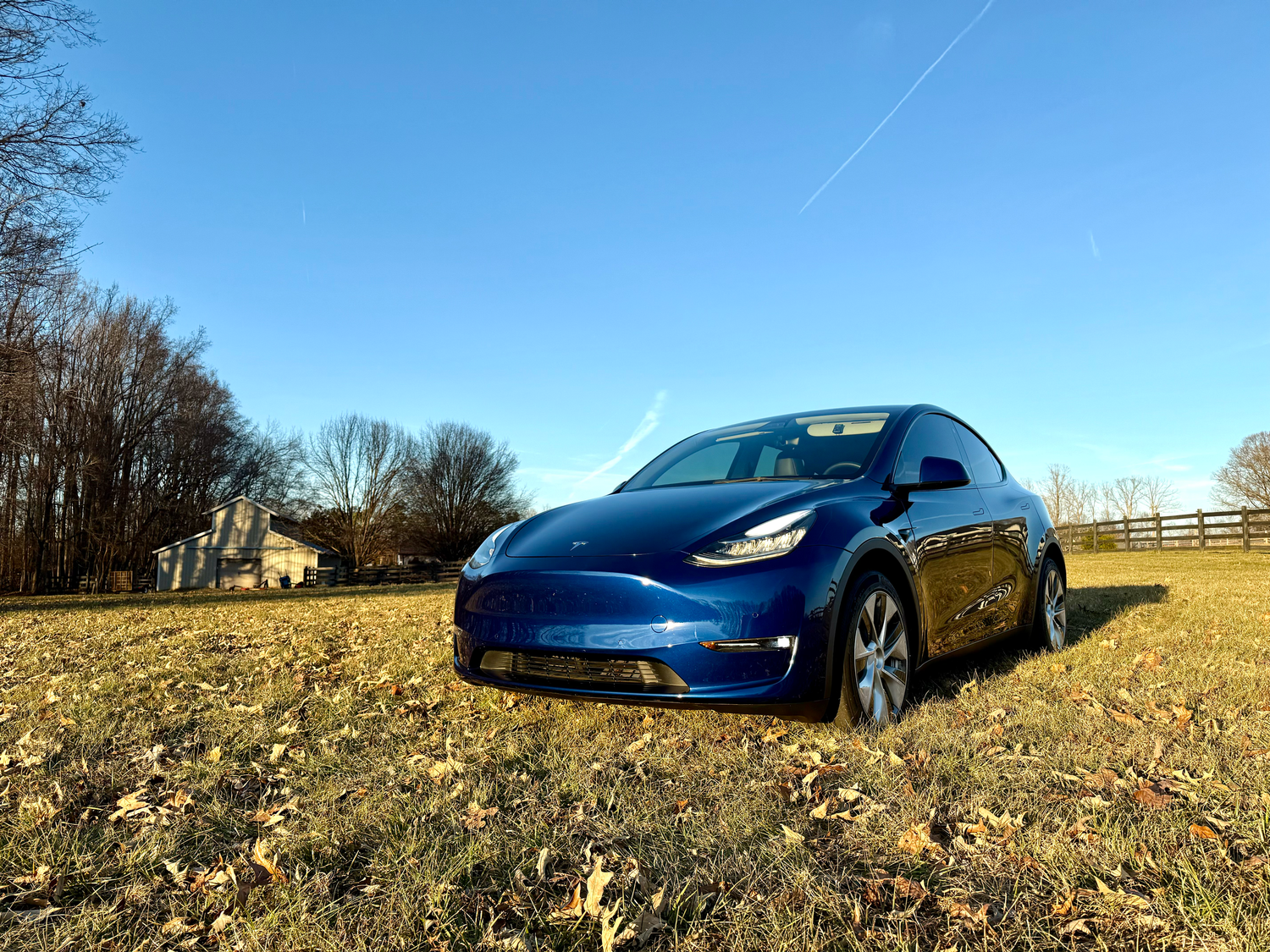
I work nearby, so I stopped by the delivery center at lunch a few days before delivery, The car was still dirty from transport and weather, which was actually helpful. You learn more about a used car when it hasn’t been freshly detailed. Overall, it looked fine, the interior was clean. Floor mats were present. It was missing the charger that it came with new (too bad, so sad). There was no glaring body damage, but a closer look revealed the kind of details that only show up when you slow down and pay attention.
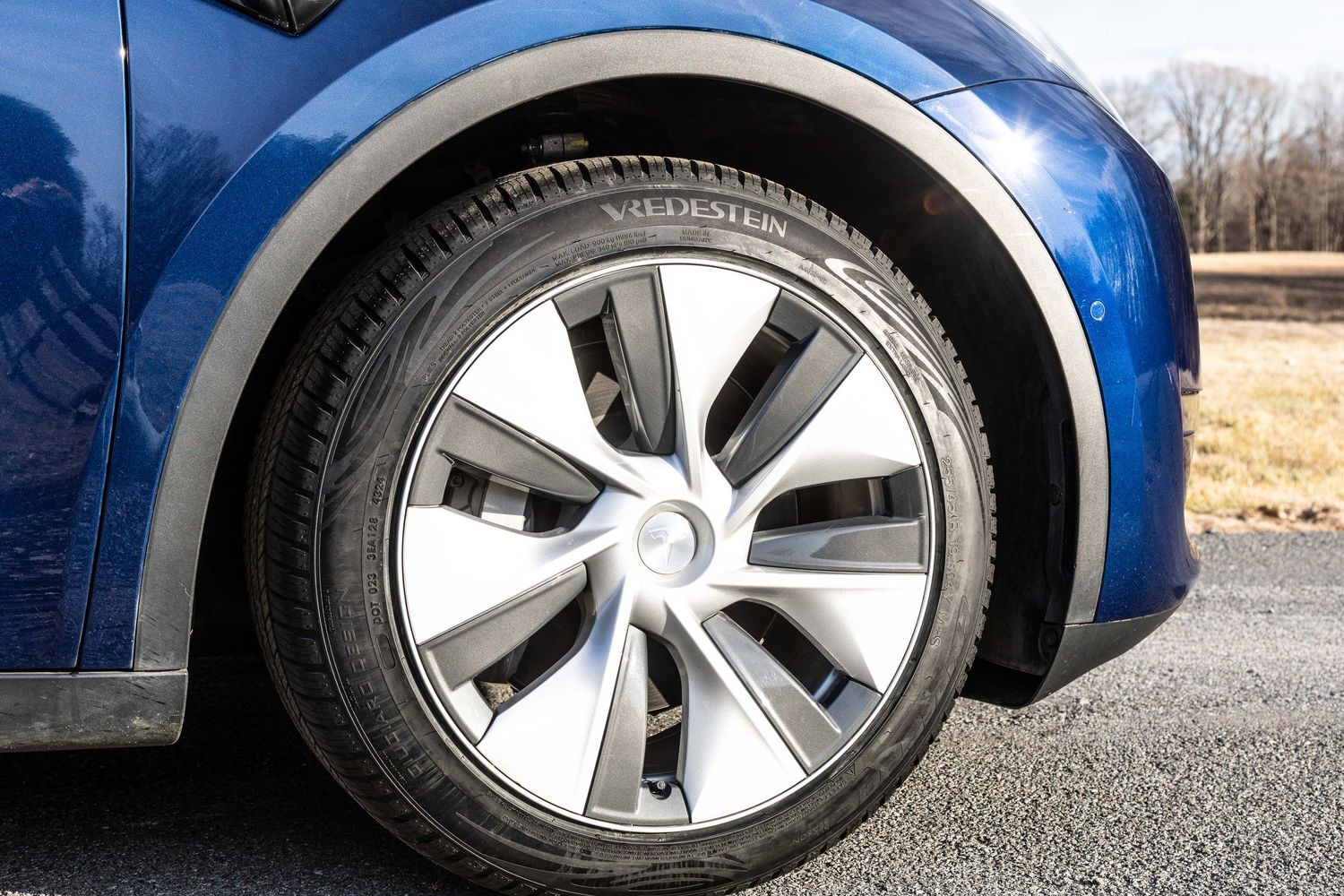
The Left Rear tire had a visible sidewall bulge. The rest showed uneven wear. The front tires were original to the car, with matching 2021 date codes, and more wear than I would have expected on a vehicle with just 17,000 miles. The rear tires didn’t match the fronts.
I mentioned the tire issue to the staff. To their credit, by delivery day a brand-new Continental had been installed on the Left Rear corner.
That solved the immediate safety problem, but introduced a new reality: the car now had four tires of different ages and wear levels. Perfectly drivable but not ideal. Certainly not the premium buying experience that a traditional certified pre-owned process is designed to prevent. Tires are one of the biggest end-of-lease expenses. The standard is “4/32-inch minimum tread and matching,” which sounds clear until you try to define it in practice.
Another detail that stood out was the absence of any published “normal wear and tear” standard. Like most leases, this one will eventually be judged against some internal threshold for acceptable cosmetic condition. The difference here is that Tesla doesn’t provide a public checklist or visual guide showing what qualifies as normal wear versus chargeable damage.
The car had a few light scratches and minor cosmetic marks that are exactly what you’d expect on a four-year-old daily driver. Nothing alarming. But without a clearly defined standard to compare against, there’s no baseline for what’s acceptable at delivery versus what might be questioned at lease return, so I took photos. Lots of them. Not because anything seemed wrong, but because documentation is the only way to establish continuity when the rules aren’t clearly written down.
Delivery itself was straightforward. The staff on site were helpful, even if they weren’t directly involved in the pre-owned sales process. They walked me through the car, answered what they could, and made sure I was set up in the app and turned my phone into a key for the car.
Nice.
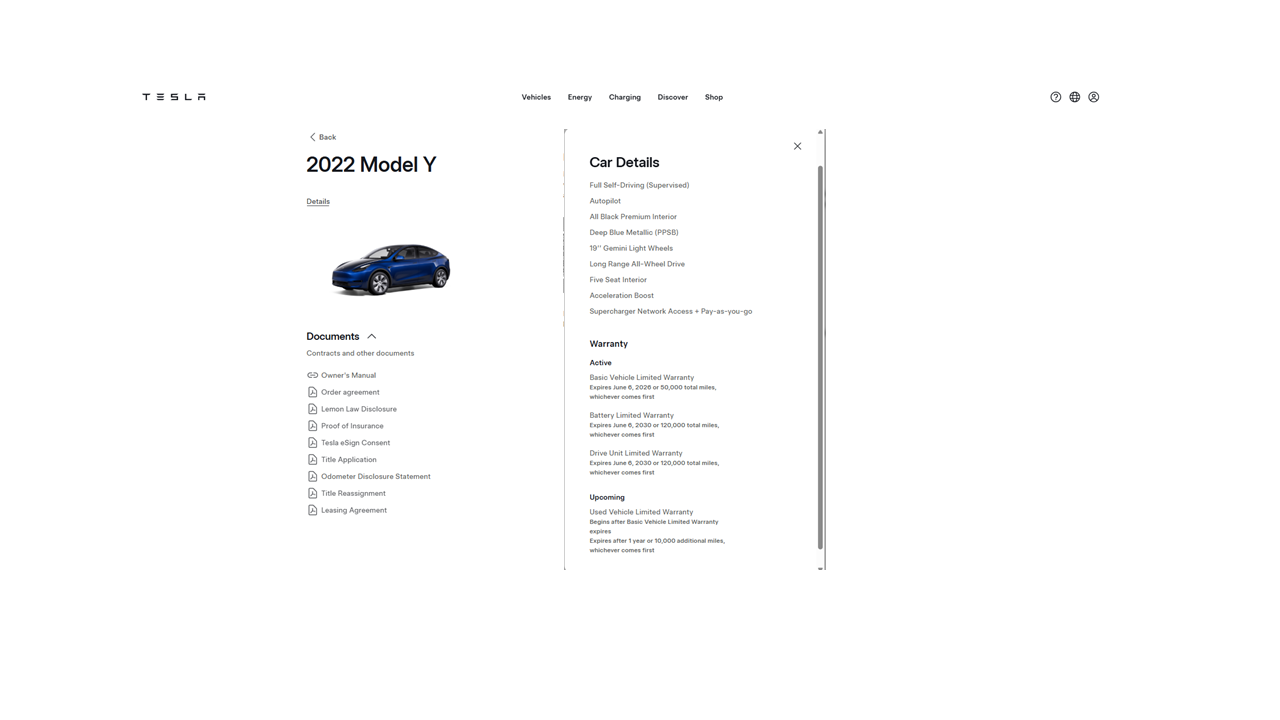
What they couldn’t provide was just as notable. There was no printed inspection report. No service history summary. No written warranty explanation. When I asked about certification details, the answers were vague. “It’s covered.” “It’s in the system.” “You should be good for the lease term.” “It will show up in the app."
As someone who’s worked on the other side of the desk, that lack of standardization stood out. Not because it felt malicious, but because it felt unfinished.
And that’s really the theme of this chapter.
Nothing about the acquisition or delivery was a disaster. The car showed up. The paperwork was correct. Tesla replaced a legitimately unsafe tire without argument. The employees I interacted with were professional and helpful, but the process lacked the polish, consistency, and transparency that usually accompany a “Premium" buying experience. For a company reinventing how cars are sold, Tesla still seems to still be trying to figure out how their used cars are described.
All of this (to my nerd brain) just makes this experiment interesting. I put down a $500 non-refundable deposit, and I didn’t see anything I couldn’t live with,
In the next chapter, the focus shifts away from Tesla and onto the car itself. Commutes, charging, range, and what it’s actually like to live with a four-year-old Model Y once the novelty wears off and the miles start piling on. This is the first Tesla I’ve ever driven, and my wife was still NOT a fan.